The U.S. Food and Drug Administration (FDA) continues to refine how it approaches emerging technologies that blur the line between consumer wellness tools and regulated medical devices. One of the most important documents guiding this distinction is General Wellness: Policy for Low Risk Devices.
This guidance is reflective of the FDA’s current thinking which helps manufacturers determine when their products may fall under enforcement discretion rather than full medical device oversight. As digital health, wearable technology, and consumer wellness tools continue to expand at an unprecedented pace, the line between “general wellness” features and medical device functionality is increasingly critical.
Understanding where a product fits can dramatically influence development timelines, regulatory strategy, labeling, marketing claims, and market readiness.
This article summarizes the key elements of the FDA’s general wellness guidance and outlines practical considerations for manufacturers seeking to determine whether their products qualify for low-risk enforcement discretion.
Purpose of the Guidance
The FDA issued this guidance to clarify how it interprets existing law, specifically the Federal Food, Drug, and Cosmetic Act (FD&C Act) as it applies to low-risk general wellness products. The document does not create new legal requirements.
Rather, it explains when and why the FDA intends to exercise enforcement discretion, meaning it will not enforce certain medical device regulatory controls for products that meet the general wellness criteria.
The goals of the guidance include:
- Providing clarity for innovators in consumer and digital health markets
- Reducing regulatory uncertainty for low-risk technologies
- Encouraging development of products that promote healthy lifestyle choices
- Ensuring higher-risk products continue to undergo appropriate regulatory scrutiny
By articulating a consistent interpretation, the FDA aims to avoid stifling innovation while preserving patient safety and maintaining the integrity of the medical device regulatory framework.
What Are General Wellness Products?
Under the guidance, general wellness products are those that:
- Are intended only for general wellness use
- Present a low risk to users’ safety
General wellness intended use means the product is designed to maintain or encourage a general state of health or healthy activity.
These intended uses are typically focused on lifestyle rather than medical claims. Common categories include:
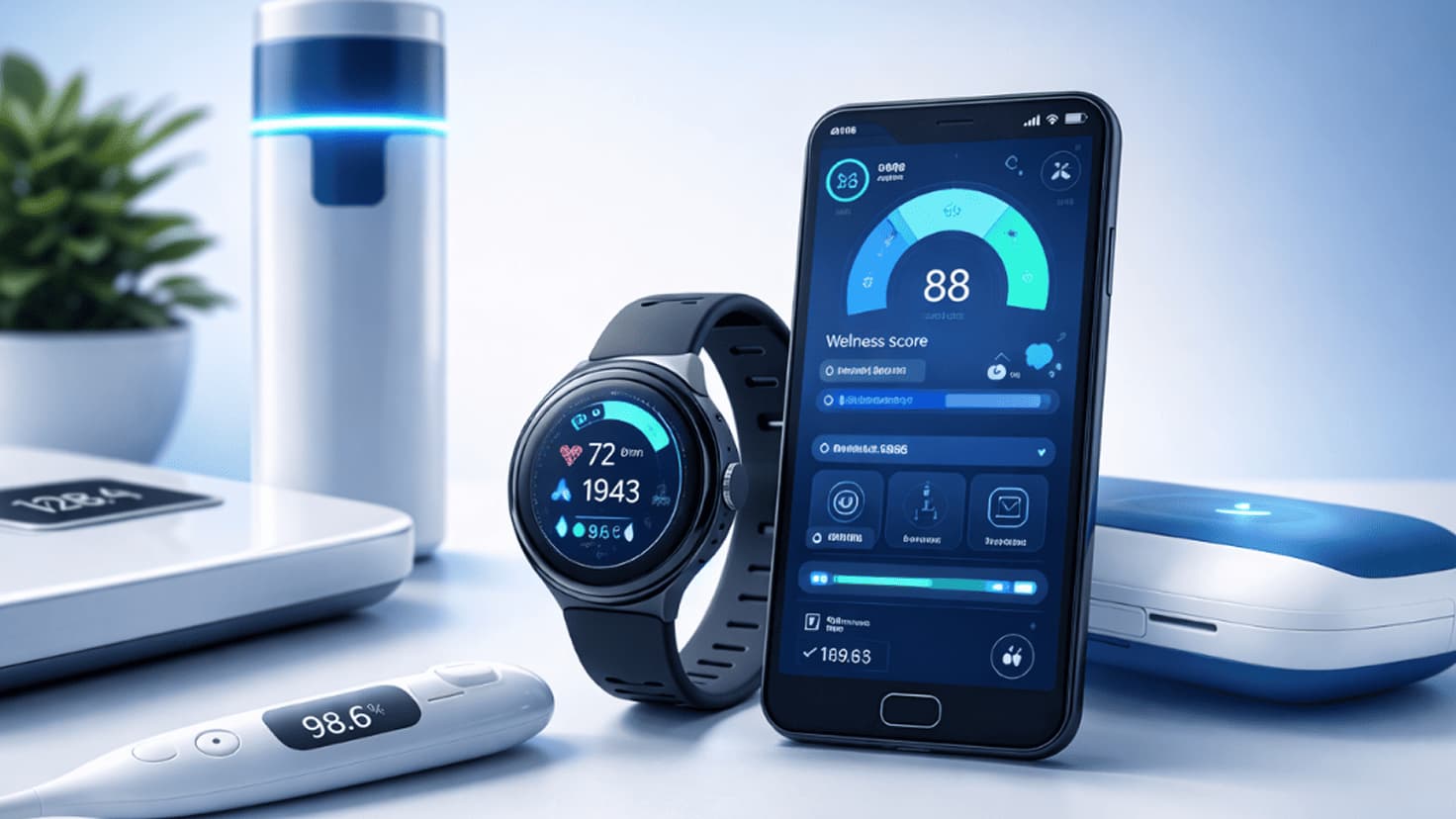
- Physical fitness (e.g., tracking steps or activity intensity)
- Weight management (e.g., calorie tracking apps)
- Sleep management (e.g., coaching techniques for better rest)
- Stress reduction (e.g., guided meditation tools)
- Overall well-being (e.g., mindfulness or relaxation devices)
What matters most is not the technology itself but the claims made about what the product does. If a manufacturer suggests the product can diagnose, treat, cure, or prevent a disease, it may fall outside the general wellness category.
Claims That Keep a Product Within General Wellness Scope
The FDA highlights two acceptable types of general wellness claims:
- Claims that relate to sustaining or improving general health, such as:
- Promotes better sleep
- Helps manage stress levels
- Supports relaxation
- Encourages increased physical activity
- Claims that associate healthy lifestyle choices with reduced risk of disease, but without referencing specific diseases for the individual user. For example:
- Regular exercise can help maintain cardiovascular health
- Healthy weight may support overall metabolic wellness
These claims must remain broad, scientifically established, and not personalized in a way that implies disease diagnosis or treatment.
FDA Enforcement Discretion for Low-Risk General Wellness Products
When a product meets both the intended use and low risk criteria, the FDA states that it does not intend to enforce standard medical device regulatory requirements.
This includes:
- Premarket notification or approval
- Registration and listing
- Quality system regulation (QSR) compliance
- Labeling controls
- Medical device reporting obligations
In practical terms, this discretionary position significantly eases burdens for manufacturers and accelerates time to market as long as the product stays within the general wellness category.
However, enforcement discretion is not guaranteed. The FDA reserves the right to intervene if a product poses safety concerns or if marketing claims drift toward disease-related functionality.
What Qualifies as Low Risk?
Even if a product has general wellness claims, it must also meet specific low-risk criteria to remain under enforcement discretion.
The FDA defines low risk through exclusion (the product must not be):
- Invasive
- Implanted
- Used to determine a specific treatment or diagnosis
- Associated with significant user safety risks
A device that could pose harm through electrical hazards, mechanical failure, improper interpretation of physiological data, or other safety risks would not qualify as low risk.
Examples of low-risk characteristics include:
- Non-invasive sensors
- Consumer-grade wearable devices
- Apps that rely on self-input data rather than physiological monitoring
- Devices that provide coaching, trends, or general guidance without analysis that could be considered diagnostic
If a product presents any risk profile that normally requires regulatory controls to assure safety and effectiveness, the FDA will regulate it as a medical device regardless of wellness claims.
Examples: What Qualifies and What Does Not
The FDA provides illustrative examples of products that fall inside (or outside) the general wellness category.
Below is a summarized version:
| Product Example | Qualifies as General Wellness? | Rationale |
|---|---|---|
| Fitness activity tracker | Yes | Tracks steps/activity without disease claims |
| Sleep tracking app | Yes | Encourages healthy habits; does not diagnose sleep disorders |
| Stress management app | Yes | Supports mindfulness and relaxation |
| Blood glucose monitoring app for diabetes management | No | Directly tied to disease management |
| ECG monitoring wearable for arrhythmia detection | No | Monitors/diagnoses medical conditions |
| Implantable wellness sensor | No | Invasive and higher risk |
These examples illustrate that the distinction hinges on claims and risk level. A device can be technologically sophisticated yet still qualify if it avoids disease-related functionality and maintains a low-risk design.
Practical Impact for Manufacturers
For manufacturers of consumer wellness or lifestyle products, this guidance serves as a valuable tool for strategic planning and regulatory risk assessment.
Key takeaways include:
1. Claim Language Matters More Than Features
A product with sensors or algorithms may still qualify, unless the marketing claims indicate diagnostic or therapeutic purposes.
Manufacturers should:
- Review all labeling, packaging, website language, and promotional materials
- Ensure claims emphasize general wellness rather than disease-specific outcomes
- Avoid ambiguous statements that could be interpreted as diagnostic
2. Risk Assessment Is Critical
Even with general wellness claims, a product that introduces physical or electrical risks will not qualify.
Manufacturers should assess:
- Mechanical and electrical safety
- Likelihood of misuse
- Whether data outputs could be misinterpreted as clinical insights
3. Documentation Supports Compliance
While enforcement discretion means reduced regulatory requirements, manufacturers should still maintain internal documentation to support:
- Intended use rationale
- Risk assessments
- Labeling reviews
- Design decisions
This documentation can be valuable if questions arise from distributors, partners, or regulators.
4. Consider Future Roadmaps
If the company anticipates adding disease-related features later (e.g., heart monitoring, arrhythmia detection), early regulatory planning is essential.
Transitioning a product from general wellness to regulated medical device status may require:
- Updated labeling
- Premarket submission
- Quality system implementation
Designing with regulatory scalability in mind can reduce downstream challenges.
Conclusion
The FDA’s General Wellness: Policy for Low Risk Devices guidance provides a clear framework for determining when a product qualifies for enforcement discretion. By focusing on intended use and risk profile, the guidance helps manufacturers differentiate between consumer wellness tools and regulated medical devices.
For innovators in digital health and wearables, this clarity offers an opportunity to accelerate development while ensuring that higher-risk products continue to receive the regulatory attention necessary to protect users.
As the market continues evolving and technology becomes increasingly integrated into daily life, understanding this distinction is essential for compliance, market readiness, and strategic product development.

