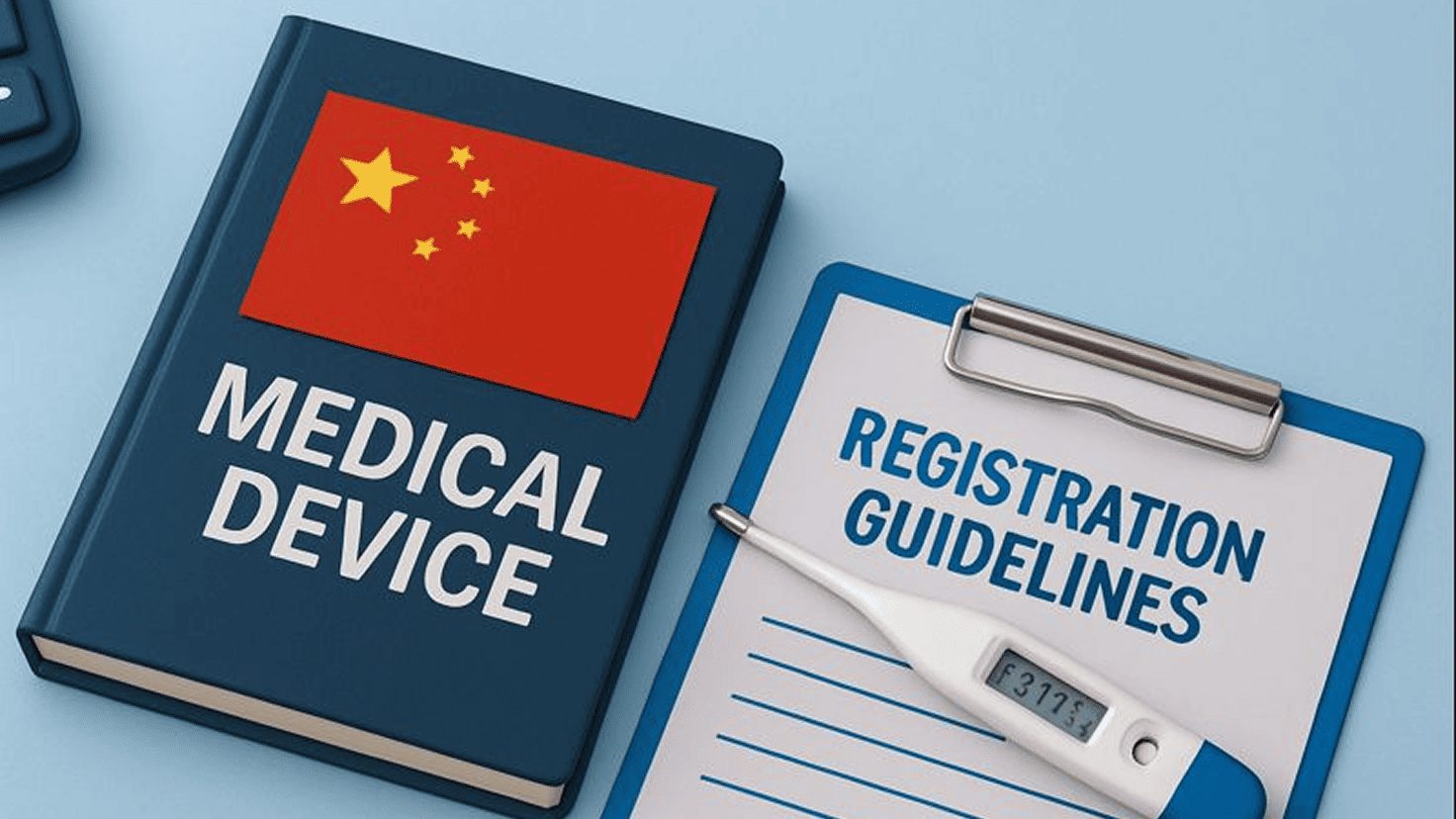
China’s National Medical Products Administration (NMPA) Medical Device Technical Review Center has released 39 updated medical device registration guidelines, effective December 1, 2025. This substantial update represents one of the most comprehensive refinements to NMPA medical device registration requirements in recent years and reflects China’s continued commitment to strengthening regulatory oversight, standardizing submissions, and improving review efficiency.
For medical device manufacturers pursuing or maintaining access to the Chinese market, these NMPA updated guidelines 2025 signal both opportunity and responsibility. While the changes bring greater clarity and consistency to the China medical device approval process, they also introduce more explicit expectations around technical documentation, safety and performance evidence, and clinical evaluation strategies.
Manufacturers that prepare early will be better positioned to avoid delays and ensure ongoing compliance with China NMPA requirements.
Scope of the Updated Guidelines
The newly released guidelines cover a wide range of medical device categories, underscoring the NMPA’s holistic approach to modernizing China medical device regulations across risk classes and technologies.
Updated guidance applies to devices in the following areas:
- Diagnostic and monitoring devices, including electrocardiographs (ECG), dynamic blood pressure monitors, fetal heart rate monitoring systems, and various imaging and physiological monitoring tools.
- Therapeutic devices, such as ultraviolet (UV) treatment systems, infrared and laser therapy equipment, electrotherapy devices, and rehabilitation technologies.
- Surgical and procedural instruments, including endoscopic equipment, operating room lighting systems, and other invasive or semi-invasive tools used during clinical procedures.
- Medical equipment and support systems, such as infusion pumps, centralized monitoring platforms, and related software-enabled devices.
- Catheters and vascular devices, where updated technical and performance review expectations have been clarified.
- In vitro diagnostic (IVD) reagents and analytical tools, covering assays for cardiovascular markers, electrolytes, hormones, and other diagnostic parameters.
This breadth means that manufacturers cannot rely on a one-size-fits-all interpretation of the updates. Each guideline contains category-specific nuances that directly impact medical device registration China strategies and dossier preparation.
Key Regulatory Themes and Changes
Although the 39 guidelines address different device types, several consistent regulatory themes emerge across the updates.
Greater Standardization of Technical Documentation
One of the most significant shifts is the continued push toward standardized medical device dossier requirements China authorities expect. The updated guidelines clarify how technical documentation should be structured, including expectations for product descriptions, intended use statements, risk management files, and safety and performance summaries.
For manufacturers, this reduces ambiguity but also limits flexibility. Submissions that deviate from prescribed structures or lack sufficient detail are more likely to trigger questions or review delays.
Stronger Emphasis on Safety and Performance Evidence
The updated NMPA submission requirements 2025 place renewed focus on demonstrating device safety and performance through robust, well-documented evidence. Non-clinical testing data, performance evaluations, and risk mitigation strategies are expected to be comprehensive and clearly justified.
Manufacturers should anticipate closer scrutiny of how testing methodologies align with applicable standards and how performance claims are supported within the dossier.
Clarified Clinical Evaluation Expectations
While clinical evidence requirements vary depending on device risk classification and technology, the revised guidelines provide clearer direction on when clinical data are required and what constitutes acceptable evidence. In some cases, the guidance outlines scenarios where clinical evaluation reports, literature reviews, or local clinical data may be necessary to support registration.
This clarity helps manufacturers plan clinical strategies earlier in the development and registration lifecycle.
Efforts to Streamline Review Timelines
By standardizing documentation and clarifying expectations, the NMPA aims to improve review efficiency and reduce avoidable back-and-forth during technical review. For compliant submissions, this may translate into more predictable review timelines within the China medical device approval process.
Refined Product Classification Guidance
Several guidelines also clarify classification considerations, helping applicants determine the appropriate regulatory pathway. Correct classification is critical, as misclassification can lead to significant delays, additional data requests, or even rejected applications.
Implications for Manufacturers
The release of these NMPA regulatory changes has practical implications for manufacturers at every stage of the product lifecycle:
- Higher expectations for dossier quality: While requirements are clearer, technical files must be more comprehensive, structured, and defensible.
- Alignment across testing, labeling, and claims: Testing reports, labeling content, and marketing claims must align closely with guideline-specific expectations.
- Potential changes to clinical strategies: Updated clinical evaluation pathways may require adjustments to existing evidence plans or timelines.
- Impact on active and planned registrations: Ongoing projects may need reassessment to ensure compliance with guidelines effective December 1, 2025.
For organizations managing multiple products, the cumulative impact across portfolios can be significant, especially when resources are limited.
Recommended Actions
To prepare for the updated China regulatory compliance medical devices landscape, manufacturers should take proactive steps well before December 2025:
- Conduct a guideline-specific gap assessment for each device to identify documentation or evidence gaps.
- Update technical files, testing reports, and clinical documentation to align with revised expectations.
- Reevaluate China submission timelines, factoring in additional testing or evidence generation if required.
- Engage regulatory experts or consultants with China-specific experience to interpret category-level nuances and reduce risk.
Early action can prevent costly rework and minimize delays once the updated guidelines are fully enforced.
How RegDesk Can Help
Navigating 39 updated guidelines across multiple device categories can be complex. RegDesk helps simplify this process through a centralized, technology-driven approach to regulatory compliance:
- Regulatory change comparison: Easily track what has changed across NMPA guidelines and understand how updates affect your devices.
- Automated gap analysis: Identify missing or outdated elements in your technical and clinical documentation.
- Regulatory intelligence and expert insights: Stay informed on evolving China medical device regulations with curated updates and interpretation support.
- Dossier development and submission support: Build and manage compliant registration dossiers aligned with NMPA expectations.
With RegDesk, manufacturers gain visibility, efficiency, and confidence as they prepare for Chinese medical device market access under the updated framework.
Conclusion
The NMPA’s release of 39 updated medical device registration guidelines, effective December 1, 2025, highlights China’s ongoing efforts to modernize and strengthen its regulatory system. By standardizing documentation requirements, reinforcing safety and performance expectations, and streamlining technical review, the NMPA is raising the bar for compliance while improving transparency.
Manufacturers that proactively assess the impact of these changes and adapt their regulatory strategies will be best positioned to maintain compliance, avoid delays, and succeed in China’s rapidly evolving medical device market.
Discussion Questions
- How will these updated NMPA guidelines impact your upcoming device submissions in China?
- Do you anticipate changes to your documentation, testing, or clinical evidence strategy as a result?
- What challenges do you foresee in adapting to these updates across your product portfolio?
- Would a centralized regulatory intelligence tool help your team better manage China’s evolving requirements?

